Chase login
Use a bookmark to reach the official site, check the padlock, verify HTTPS, then enter your login only on the bank portal you saved. Prefer the mobile app’s push approval over SMS codes, or pair a FIDO2 hardware key for phishing-resistant entry. Create a 14–24 character passphrase with mixed case, numbers, symbols; avoid dictionary words.
If the online page loops or shows “We can’t find that username”, clear cookies for the domain, then try a private window. If sign-in stalls for 30+ seconds, switch from Wi-Fi to cellular, then retry. For lockouts after 3–5 failed attempts, wait 15 minutes, use the “Forgot username or password” path, reset via email or in-app profile. Keep recovery email, phone current in Settings.
Open Profile > Security, enable two-step verification with an authenticator app, set session timeout to 10–15 minutes, require biometrics for high-risk actions in the mobile app. Turn on alerts for new-device sign-in, password changes, payee edits. Avoid public Wi-Fi; use a trusted VPN when travel forces hotel networks.
Keep devices patched: iOS 17.5.1+, Google’s mobile OS 14 with May 2025 patch+, Windows 11 23H2 with current cumulative update. Enable full-disk encryption, auto-lock at 30 seconds, block unknown sources. Treat unsolicited emails as suspicious; type the URL from your bookmark, never a link.
Username length: 8–32 characters. Password length: 12–64 recommended; include at least three types from uppercase, lowercase, digits, symbols. Use a reputable manager such as 1Password, Bitwarden, or KeePass; do not reuse passwords across sites.
Chase Login Guide: Secure Access and Troubleshooting
Type https://www.chase.com in the address bar; use the official online portal only; bookmark the page; avoid links in email, SMS, social posts; validate the padlock; mismatch warnings mean stop.
Enter username, password on the official page; complete 2-step check via text, voice, push in the mobile app to reach your chase profile; skip “Remember me” on shared devices.
Strengthen safety: Use a unique passphrase, 14+ characters, mixed case, digits, symbols; store it in a reputable manager; rotate every 6–12 months; enable alerts for sign-in from a new device, profile edits, new payees, large transfers.
Browser setup: Keep Chrome, Safari, Edge, Firefox current; require TLS 1.2+; cookies, JavaScript enabled; time, timezone set to automatic; allow pop-ups for statements or check images; try a private window if widgets fail; disable extensions that inject scripts, then retry.
Device trust: Add a trusted device only on hardware you own; set biometric entry in the mobile app; avoid rooting or jailbreaking; keep iOS, Android, the app fully updated.
Forgot credentials: Use the recovery form; supply last 4 of SSN or TIN, card or account number, ZIP code, phone to receive a one-time code; create a new password that never matches email credentials.
Profile locked: Wait a short interval before retry; reset via the recovery link; if a VPN triggers extra checks, switch to mobile data; if travel is planned, set a travel notice in the app.
One-time code missing: Confirm the phone on file; toggle Airplane mode off then on; request a voice call; open the mobile app to approve a push; check spam if email delivery is offered; set device time to automatic.
Page errors: Clear cookies for chase.com; flush cache; try another browser; disable content blockers for this site; verify router clock; reboot the device.
Phishing checks: Domain must be exactly chase.com or a subdomain, not look-alikes such as chàse.com or chase-security.com; the bank will never request full SSN by email or text; never share one-time codes; report suspicious messages via the bank support channel.
Session control: Log out after each session on public machines; close the browser; for a lost phone, sign out remotely via the website profile security section, then revoke the device.
Performance tips: If the portal feels slow, test speed at fast.com; switch to a wired network or mobile data; avoid public Wi-Fi; whitelist chase.com on corporate filters; keep idle time low to reduce timeout prompts.
What You Need Before Sign-In: Account, SSN/TIN, Contact Info, Browser/App
Have your username, password, last four of SSN/TIN, a phone for one-time codes, plus an updated browser or the official app.
Account + SSN/TIN
- Active chase profile tied to your bank records, with a working username plus a strong password stored in a reputable manager.
- For first enrollment: account number or card details from the same bank relationship, billing ZIP code, date of birth.
- SSN for personal profiles, TIN/EIN for business; keep the full number only for enrollment flows, use last four for routine checks.
- Match profile name with government ID to reduce verification friction during login.
Contact Info + Browser/App
- Mobile number on file that can receive SMS or voice codes, preferably the primary line you carry daily.
- Email address you monitor hourly; avoid expired domains or inboxes with full storage.
- Authenticator option ready (TOTP app) as a fallback to SMS; time set to automatic on the device.
- Desktop browsers: current Chrome, Safari, Firefox, Edge; cookies enabled, JavaScript enabled, pop-ups allowed for chase.com.
- TLS 1.2+ supported, no legacy protocols; system clock synced via network time.
- Network hygiene: private Wi-Fi, no public hotspots, no VPN, no proxy, no Tor during login.
- Official chase mobile app from Apple App Store or Google Play only; app updated to the latest build.
- OS kept current; push notifications on for codes; biometrics set up for quicker entry on repeat sign-ins.
- Disable aggressive content blockers on chase.com; whitelist first-party cookies; stop overlay apps that draw over the screen.
- Bookmark https://chase.com to avoid look-alike sites; type the URL directly for each session.
If any item above is missing, update your bank profile first, then proceed with login.
Enroll in Chase Online: Create Login, Verify, and Set Security Questions
Choose a unique user ID (8–32 characters), set a long passphrase (14–64), enable two-step verification via SMS, voice, or authenticator app; have your card or account data plus SSN/TIN last 4 digits ready.
Open the official bank site or the mobile app, pick Enroll, then finish registration for chase online.
User ID tips: avoid emails or phone numbers, permit letters, digits, dot, dash, underscore, block spaces, avoid personal names.
Passphrase tips: use mixed case, numbers, symbols, no repeats of 3+, no keyboard runs, no birth dates, no reuse across sites.
Verification: select SMS, voice, or an authenticator app; codes expire fast, often within 30–180 seconds; confirm the device as trusted only on hardware you control.
Security questions: pick uncommon prompts, create answers with padding (random word + number + suffix), store in a manager, avoid public facts.
If an SMS code does not arrive within 90 seconds, try voice or an authenticator app, check time sync on the phone, disable VPN, request a fresh code.
Safety: never share one-time codes, your passphrase, or full SSN; the bank will not request codes by call, text, email.
| Item | Requirement | Tips |
|---|---|---|
| User ID | 8–32 chars; letters, digits, dot, dash, underscore; no spaces | Make it distinct from email, avoid names, avoid sequential numbers |
| Passphrase | 14–64 chars; upper, lower, number, symbol | Create a phrase with uncommon words, insert numbers, symbols at varied spots |
| Verification method | SMS, voice, or authenticator app | Set the app as primary for travel, keep SMS as backup, verify phone can receive short codes |
| Identity data | Card or account number; last 4 of SSN/TIN; ZIP; birth date | Enter exactly as on statements, match your legal name, use the billing ZIP |
| Security questions | 3 prompts with custom answers | Use a formula, e.g., Color+71+Tree; store in a password manager |
| Recovery | Current email, phone on file | Update after number changes, remove old devices in settings |
After completion, sign in from a private device, confirm recent activity, then enable alerts for sign-in, profile edits, large transfers.
For ongoing safety, rotate the passphrase every 6–12 months, review trusted devices quarterly, keep the app updated.
Sign In on Desktop: Use chase.com, Remember Me, and Sign Out Safely
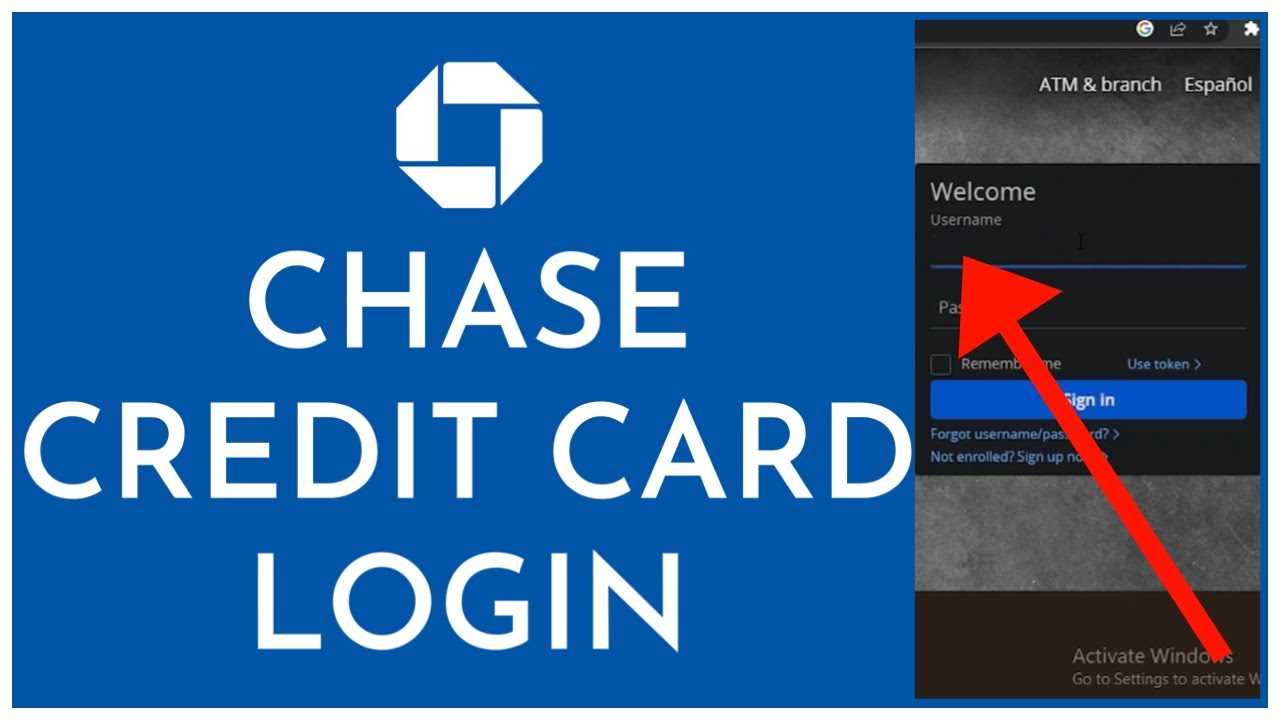
Type chase.com in the address bar, press Enter, avoid ad links. Confirm the padlock is visible, protocol shows https, the domain ends with .com only.
Select Sign in (top right). Enter your username, then your password. Use a private computer, not a library PC. For login on shared machines, prefer a one-time session via private window, disable saved credentials.
Tick Remember me only on a device you control. It keeps the username in a cookie, never the password. Clear cookies to remove it. To erase a stored credential: browser settings > Passwords > search chase.com > remove. Switch the box off before exiting a shared device. Different users on one computer: create separate OS accounts or separate browsers.
Click the profile icon, choose Sign out. Wait for the confirmation screen, then close the tab or window. Quit the browser after public use. If you printed or downloaded statements, delete files from the computer.
Enable two-step verification via text or call for each new browser. Avoid auto-fill for the password in the browser. Use a strong phrase, at least 12 characters, mix letters, numbers, symbols. Trust only chase sites under the chase.com domain.
If the page stalls after submit: update the browser, disable VPN or proxies, allow first-party cookies for chase.com, turn off aggressive content blockers for this site, sync system date/time, try another browser. Still stuck: use a wired connection or mobile hotspot, then contact the bank via the number on the back of your card.
Sign In on Mobile: Install Chase Mobile, Enable Biometrics, Quick Balance
Install the official mobile app via the source link below, then enable biometrics, switch on Quick Balance for faster entry to your bank profile. Use the same online ID, the same password for every login.
- Get the app safely
- Open the official site below, pick App Store or Google Play, install from there.
- Turn on auto-updates in your phone settings to receive fixes promptly.
- First sign-in
- Open the app, enter your user ID, password.
- Complete the one-time code step via SMS, call, or email if prompted.
- Enable biometrics (device prep)
- iPhone: Settings > Face ID & Passcode > set up Face ID or Touch ID.
- Android: Settings > Security > set up fingerprint or face unlock.
- Enable biometrics in the app
- Menu > Profile & settings > Sign-in preferences > Face ID/Touch ID or Fingerprint > toggle On.
- Confirm with your device PIN, Face ID, or fingerprint.
- Turn on Quick Balance
- Menu > Settings > Quick Balance > toggle On.
- Select which accounts appear: checking, savings, card.
- On the sign-in screen, tap Quick Balance to view totals without entering your password.
- Privacy tips
- Use a strong device passcode, set auto-lock to 30–60 seconds.
- Do not enable Quick Balance on shared devices.
- If the phone is lost, disable Quick Balance from a browser session, then change your password.
Official mobile info: https://www.chase.com/digital/mobile-banking
Manage Two-Factor: Text, Call, Email Codes, and Trusted Device Settings
Set up all three channels: pick text for fastest delivery; pick call for landlines or blocked SMS; keep email as a fallback for travel or SIM issues.
Where to configure: sign in at the chase site, complete online login, open Profile & settings → Security → Verification codes. Confirm each destination before relying on it.
Text (SMS) codes: verify the mobile number in your profile; allow messages from short codes; disable SMS filtering for the sender; keep signal active; avoid Wi-Fi-only tablets for SMS. If you use dual-SIM, select the correct line for messages.
Call codes: add a number that can receive automated voice prompts; keep ringer on; avoid VoIP lines that block robocalls; prepare a backup number in case a carrier filter rejects the call.
Email codes: use an inbox you check daily; enable push notifications; add the sender domain to safe senders; check spam or quarantine if a code is missing; avoid forwarding filters that delay delivery.
Trusted device: only trust a private phone or computer; finish a code check, then choose the trust prompt; skip trust on shared hardware or kiosk systems. To revoke trust, go to Profile & settings → Security → Devices, remove the entry for a lost, sold, or serviced device.
Best practices: keep at least two active channels; update phone or email before number changes or SIM swaps; do not store codes in notes; request a fresh code if a prior one arrives late; lock your device with PIN or biometrics.
If codes do not arrive: toggle airplane mode off then on; retry with a different channel; confirm time/date auto-sync; review carrier block lists; for email, refresh the inbox, then check spam. If nothing works, use the number on your card or the help link on the site.
Official source: see the bank’s security pages at https://www.chase.com.
This setup keeps your chase profile ready for online sessions with minimal friction during each login.
Reset Credentials: Forgot Username or Password, Unlock with ID Checks
Do this now: Open the official online form at chase.com or the mobile app, choose “Forgot username” or “Forgot password”, complete the ID check, regain entry.
Have ready: last 4 of SSN or TIN, full card or account number, ZIP code, mobile number for SMS, email on file, a device you used before, a government photo ID for fallback.
Username recovery: select the recovery link on the sign-in page, pick profile type (personal, business), enter last name plus SSN/TIN, then provide one of these–debit/credit card number, account number, or application number. Confirm via a one-time code sent by text, voice call, email, or app push. Your username appears on screen or arrives via masked email, based on your choice.
Password reset: submit your username, verify with SSN/TIN, receive a one-time code via your preferred channel, set a new passphrase. Use 12+ characters, mix of upper, lower, digits, symbols, avoid reuse across bank profiles, exclude personal data, do not include your username.
Profile locked: multiple failed attempts trigger a temporary hold. Clear it by passing the ID check in the app or on the site. If the hold persists after 24 hours, call the number on the back of your card or visit a branch with a government ID.
No code? New phone? Use email or voice call instead of SMS. If prompted for extra proof, provide card or account number plus ZIP, then answer knowledge-based questions about prior addresses, loans, or recent transactions. Do not share full card PIN or full CVV by phone or chat.
Safety checklist: type chase.com in the address bar, avoid links from messages, confirm the padlock icon in the browser, use the official app from a trusted store. One-time codes expire fast, request a fresh code if delays occur. Enable MFA in profile settings, store the recovery email current, keep your mobile number updated.
If recovery fails: try a different channel for the code, switch to a known device, clear browser cache, retry via cellular data instead of Wi-Fi. As a last resort, contact support using the number on your card, present your ID in a branch, reference recent transactions for quicker verification.
Tip: Document your new passphrase in a password manager, create a unique entry for this chase profile, add a note with the recovery email plus the masked phone used for codes.
Troubleshoot Errors: CAPTCHA, Code Not Received, Browser/App Issues
Use the official bank site or the mobile app, type the URL manually, verify the certificate owner via the padlock icon, avoid VPN or proxy during online login.
CAPTCHA problems
Switch to a private window, complete one challenge, wait 10–15 minutes if rate-limited. Turn off VPN, corporate proxy, DNS filter. Enable JavaScript, allow cookies for the site, disable script blockers or privacy extensions for the session. Set system date, time, time zone to automatic. Clear cookies for the specific domain only, then retry. Update the browser to the latest stable build, try a second modern browser. Reboot the router or try a different network. Details on common causes appear in Google’s reCAPTCHA help: https://support.google.com/recaptcha/answer/6081887.
Code not received
Confirm the delivery method in your profile, then request a single new code after 60–90 seconds. Avoid VoIP numbers for SMS, use a mobile line that supports short codes. Disable “Filter Unknown Senders”, Focus, Do Not Disturb, call blocking, spam filters. Check signal, roaming status, airplane mode. Contact your carrier to unblock short codes or international SMS. Restart the phone, toggle SIM or eSIM off then on. Use the code within the stated window, typical lifetime 5–10 minutes. If SMS fails, pick voice call or an authenticator app. Update contact info if the number changed.
Browser issues: update Chrome, Safari, Edge, Firefox to a current build with TLS 1.2 or higher. Enable cookies, local storage, pop-ups for the site, turn off “reduce cross-site tracking” for the session if it breaks the flow. Remove stale autofill that inserts an old username, then enter credentials manually. Clear site data for the bank domain, avoid full profile wipes. Try a fresh user profile on the device.
App issues: update the app via the official store, then retry over cellular or a different Wi-Fi network. On iOS, Offload App, reinstall, keep data. On Android, clear cache, if still stuck clear storage, re-authenticate. Ensure automatic date, time, time zone. Remove root, jailbreak, debugging, unknown certificate profiles. Verify OS version meets the app minimum. For repeated failures, switch to the web session, then return to the app after the account is stable.
Safety checklist during online login: confirm the padlock certificate, use bookmarks for the correct domain, never reuse codes, avoid multiple code requests in quick succession, contact support if you suspect account lockout or unusual prompts.
Spot and Report Fraud: URL Checks, Alerts, and Contact Channels
Confirm the address bar shows the exact bank domain before any login; type it manually or use a bookmark, never a link from email or SMS.
Click the lock icon, open certificate details, verify Organization (O) matches the institution, valid dates, issuer you recognize; mismatch signals phishing.
Watch for look-alikes: rn vs m, l vs I, zeros vs O; beware punycode (xn-- prefix) in the URL; subdomains like service.bank.example.com differ from bank.com.
Enable alerts: new device sign-in, failed login attempt, password reset, payee added, wire setup, large transfer, card-not-present purchase, ATM cash limit breaches; choose push, SMS, email.
Suspect theft? Lock card in the app, change your password, revoke sessions via active devices list, remove unknown API tokens, review recent ACH, wire, Zelle, bill pay, dispute unauthorized entries within 24–48 hours per policy.
Report phishing email by forwarding with full headers to phishing@your-bank-domain, also to reportphishing@apwg.org; text spam to 7726; submit cases to reportfraud.ftc.gov (US) or your national cyber portal.
Contact your bank via the number on the back of the card, mobile app message center, branch visit; avoid numbers in unsolicited messages.
Provide exact timestamp, channel used (web, mobile, phone), amount, merchant or payee, device model, browser, IP if known, screenshots or PDFs of emails or sites.
Reduce risk: unique password, 12+ characters, password manager, phishing-resistant MFA (hardware key, platform passkey), disable SMS codes where possible.
Use private device on trusted network, avoid public Wi-Fi for online banking; if required, use mobile data, verified VPN, then sign out after tasks.
If you receive a one-time code you did not request, do not share it; treat it as a takeover attempt, contact the bank immediately.